On July 17, WordPress shipped an emergency security release for a vulnerability chain now being called wp2shell.

On July 17, WordPress shipped an emergency security release for a vulnerability chain now being called wp2shell.
While your site is running, things change. A content editor tweaks a configuration setting. A security vulnerability surfaces in a dependency. A production fix gets applied directly instead of going through the normal release process.


We recently heard from a former client who had moved their site to a major managed hosting platform, hoping for more stability and better protection.
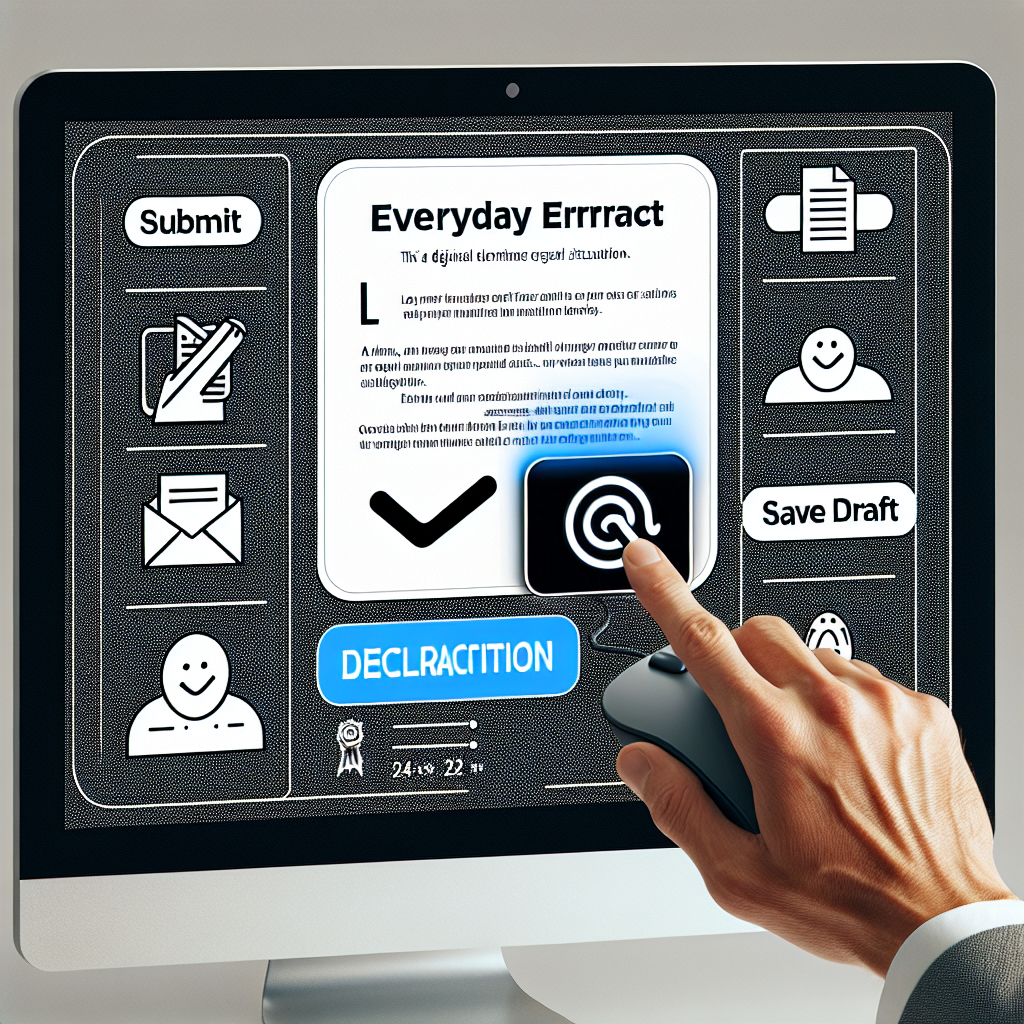
Imagine clicking "Submit" on a legal contract, only to realize you meant to click "Save Draft." Or transferring $1,000 to the wrong account with no confirmation step. Or deleting your entire photo library with a single misclick. These aren't hypothetical scenarios - they happen every day when websites don't implement proper error prevention.

How do you get a website back up, when it goes down?

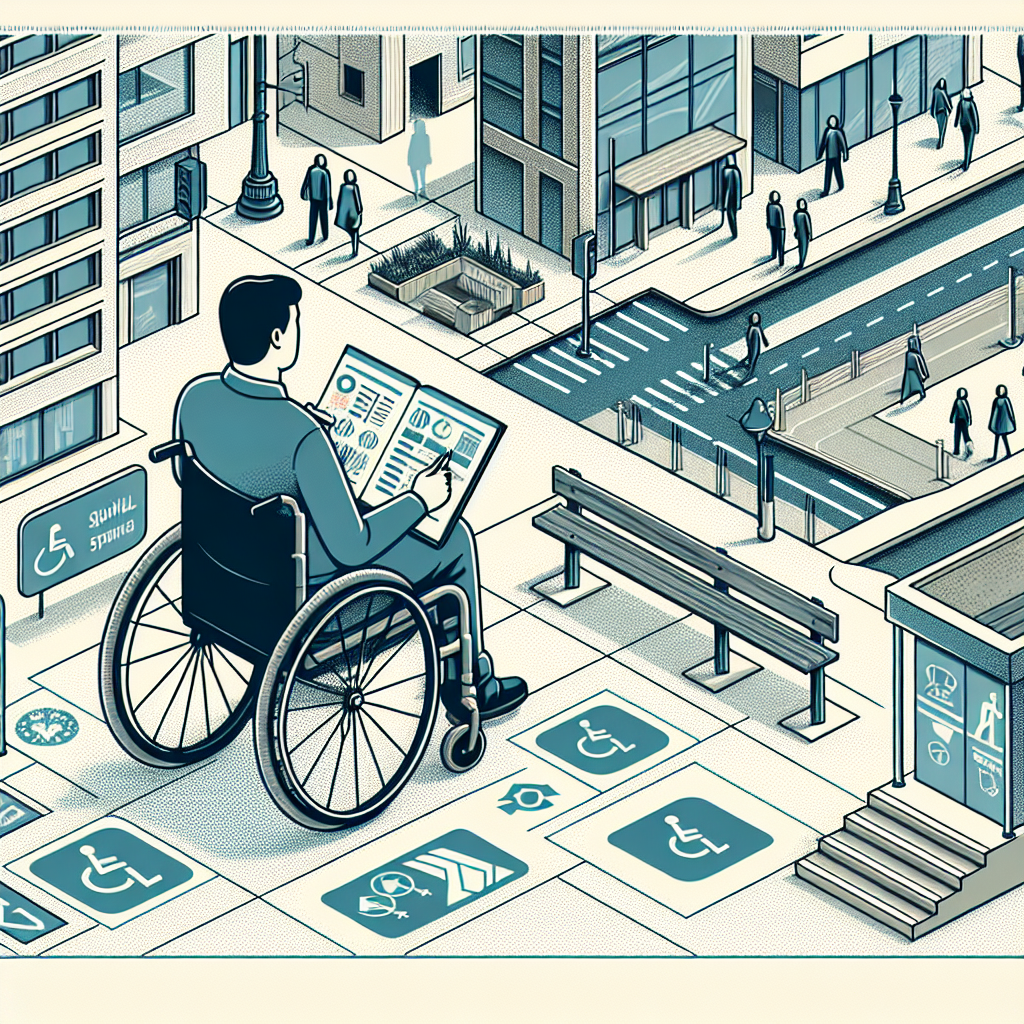
One of our clients has a custom surveying application built with a Drupal back end, and a VueJS/headless front end. They use this application to record observations in various buildings and sites that don't meet accessibility requirements.
They give their clients access to the front end. This application organizes observations into particular sites, in particular projects, grouped by the requirement. Each observation can have photos attached, along with notes and recommended solutions.


