We recently heard from a former client who had moved their site to a major managed hosting platform, hoping for more stability and better protection.
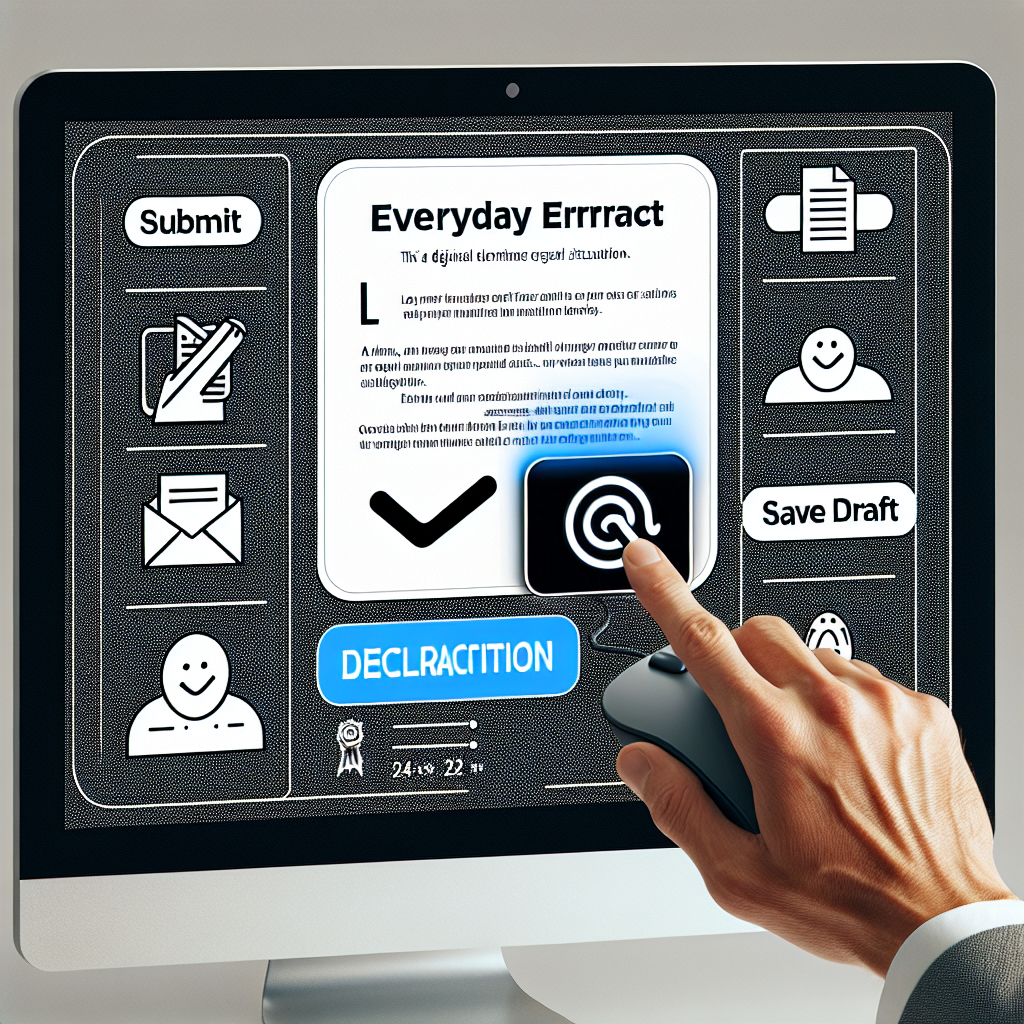
Imagine clicking "Submit" on a legal contract, only to realize you meant to click "Save Draft." Or transferring $1,000 to the wrong account with no confirmation step. Or deleting your entire photo library with a single misclick. These aren't hypothetical scenarios - they happen every day when websites don't implement proper error prevention.
How do you get a website back up, when it goes down?
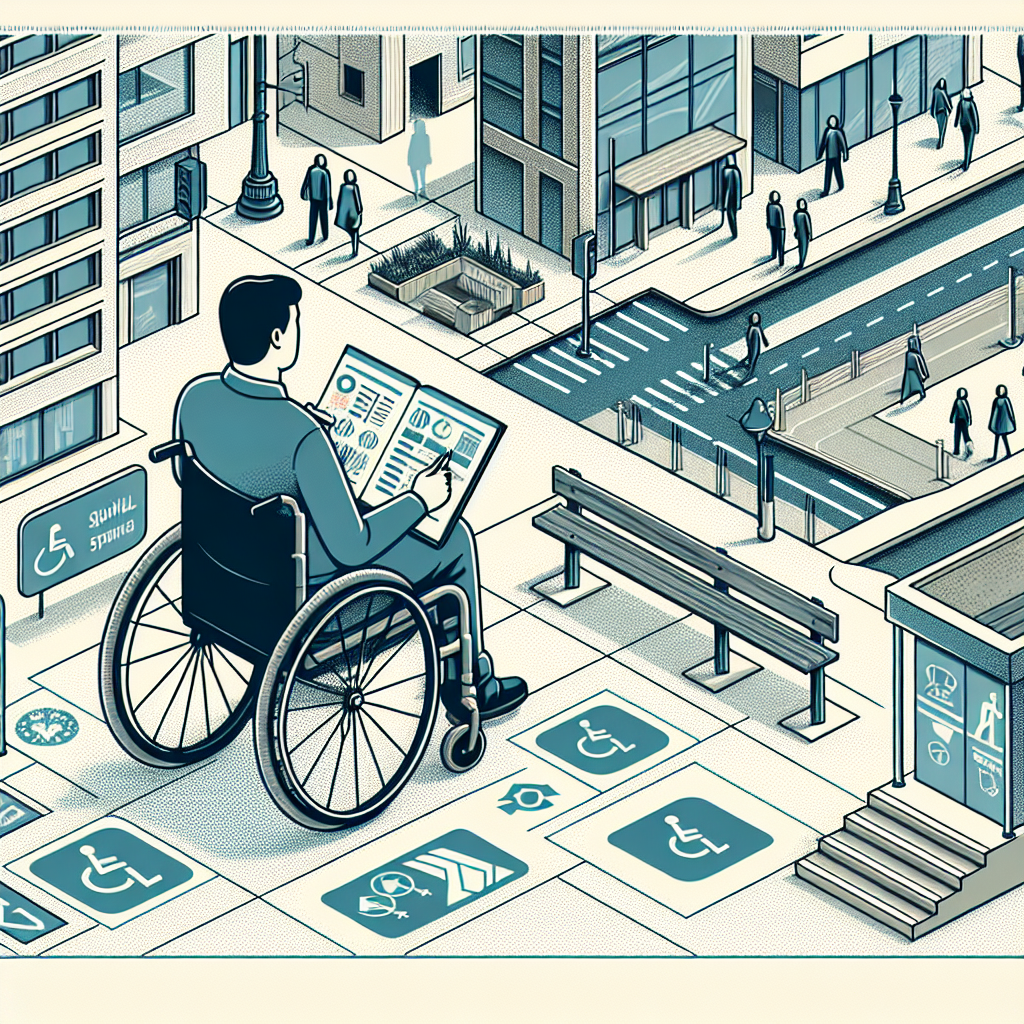
One of our clients has a custom surveying application built with a Drupal back end, and a VueJS/headless front end. They use this application to record observations in various buildings and sites that don't meet accessibility requirements.
They give their clients access to the front end. This application organizes observations into particular sites, in particular projects, grouped by the requirement. Each observation can have photos attached, along with notes and recommended solutions.
Ask a teenager these days about why privacy matters, and they will say it doesn't -- there is no privacy anymore.
But would you willingly put your credit cards out on a bulletin board, inviting anyone to buy stuff on your dime?
Today's website designs tend to use photos and images to make them look good. If you have your own photography or in-house illustrator, that's almost always going to give you the best result. But if you don't, this is something that can be automated with Drupal's AI module.
The AI Pixabay Automator can search Pixabay for relevant stock images that are free to use, and attach them to an image field.
The AI Image Generator can take your content and feed it into an image generator.
New versions of Drupal core dropped today, to fix a file handling issue.
After assessing the patches, statements, and risks associated with this update, we have decided this is an important update to apply, but not urgent for most of the sites we manage.
A client asks about yet another hosting option:
The VPS-2000HA-S includes the following resources:
6GB RAM (burstable)
150GB SSD Disk space
5TB Monthly Bandwidth
4 free dedicated IP's
At 12:27pm, our alerts started firing. Multiple ones -- website down, server down, secondary monitoring -- one of our client's servers had completely disappeared off the Internet.
No, you should not. You should let us worry about them, and go back to your business.
Seriously, we're getting questions from all kinds of people about whether this matters. I'm a bit surprised that there is any question about that. Would you be concerned if your top salesperson was selling for somebody else? If your cashiers were jotting down credit card numbers when they charged a card? If your office became a well-known spot for illicit drug or gun dealers? If your office had a bunch of scammers squatting and running a pyramid scheme? If your confidential client information could be revealed as easily as using a bic pen on an old Kryptonite lock?
We've seen some variation of every single one of those scenarios. And all of them are possible with a remote code execution flaw in a web application, like yesterday's Drupal security vulnerability.
And yet people still
The Meltdown vulnerability leaked out into public news a full week before patches were available for many distributions. When patches did become available, sometimes the patch caused further trouble.