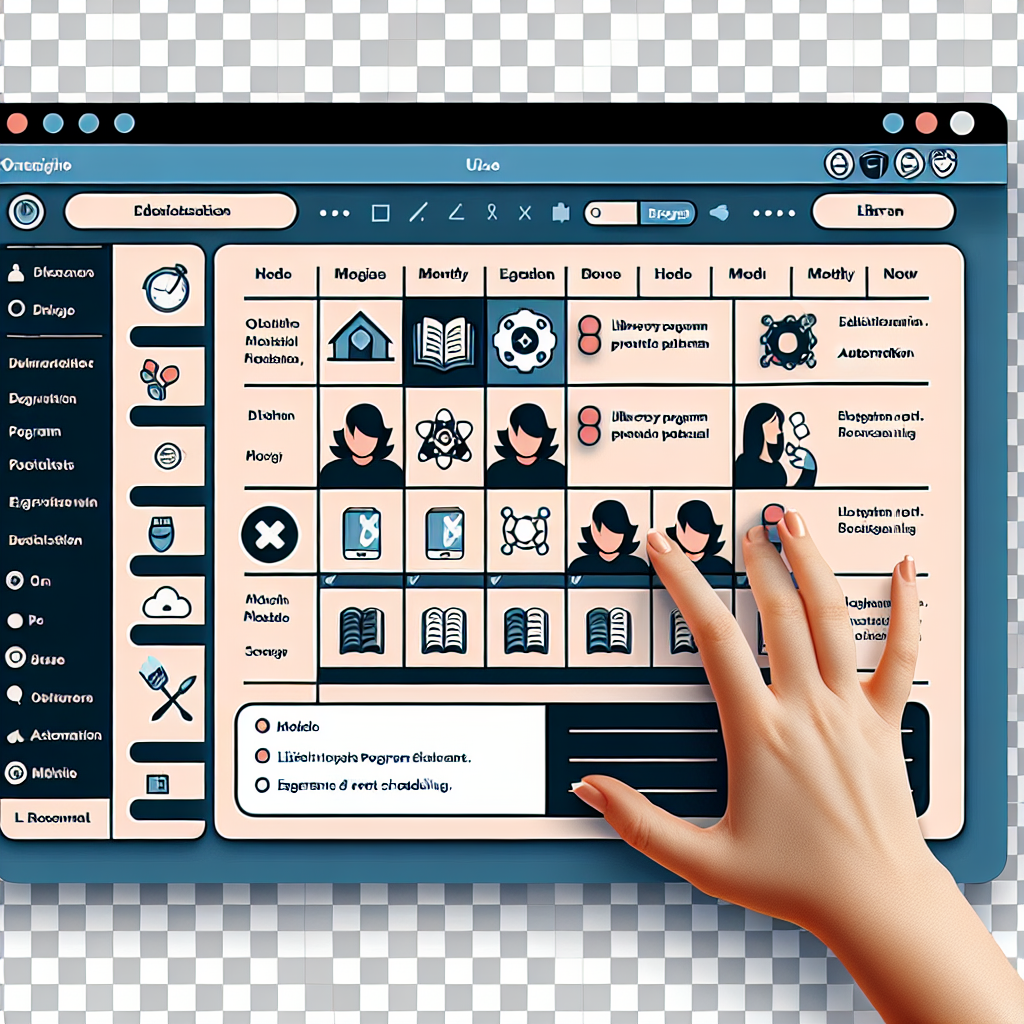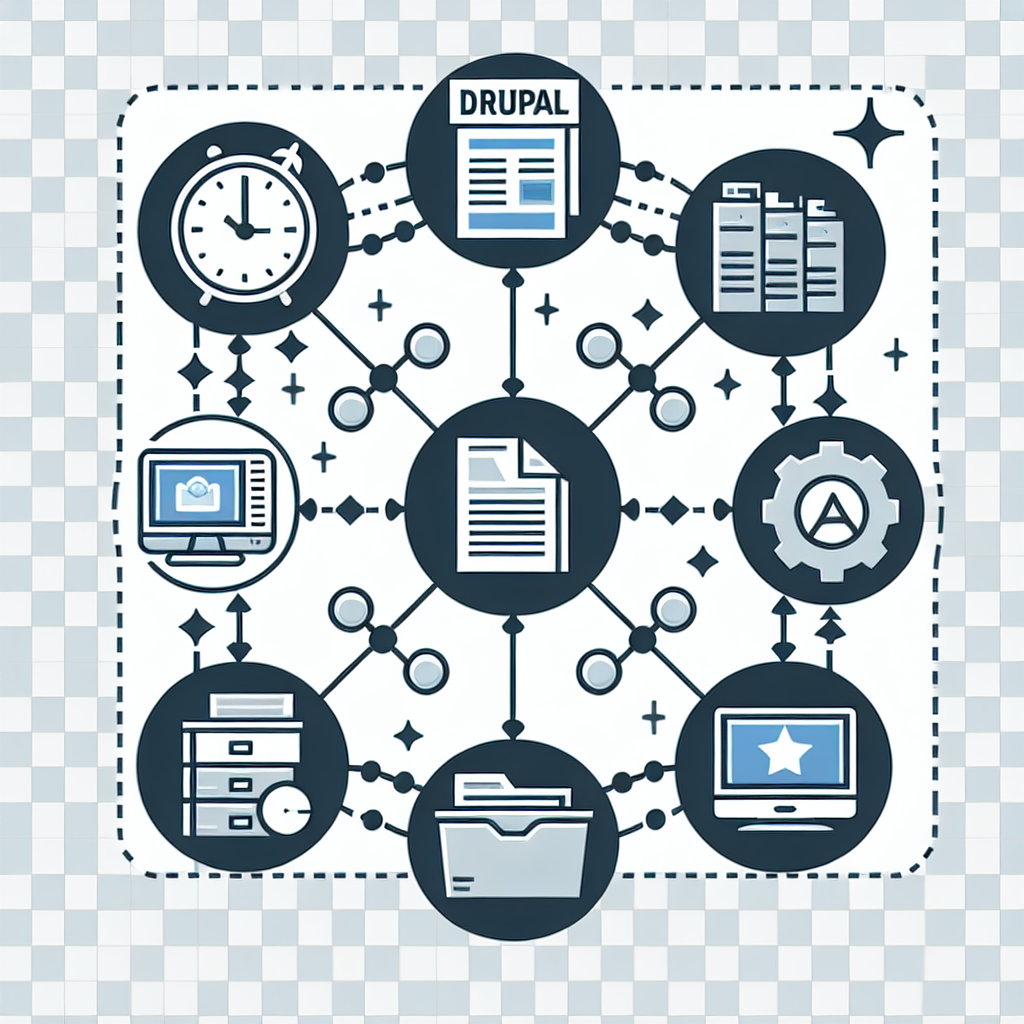

Editorial Workflows

You don't need a new website. You need to make your current website more effective! How can you do that? There is no single answer -- websites are part of a larger system, and you need to consider many different aspects to make your site effective. We've been making websites since the start of the web, and know what makes them work -- as well as not work. Take what we have learned to make your site better!
AI-generated image with a variety of charts, icons, phones, hands surrounding a head with a stylized brain visible

Automatically add images

Today's website designs tend to use photos and images to make them look good. If you have your own photography or in-house illustrator, that's almost always going to give you the best result. But if you don't, this is something that can be automated with Drupal's AI module.

The AI Pixabay Automator can search Pixabay for relevant stock images that are free to use, and attach them to an image field.

The AI Image Generator can take your content and feed it into an image generator.

Case Study

City of Federal Way

The federalwaywa.gov website is the main site for the City of Federal Way in Washington State. This site is a resource for residents, visitors, businesses, and people interacting with the city government.
Construction cranes against a blue sky
🕑Oct 29, 2019 🖋Nick Kelly 💬0

Don't Play Whack-a-mole on Prod!

If you’re making improvements to your sites, even as simple as pushing updates, you’re going to be changing things around. Inevitably, you’ll break something. Wouldn’t you like to find that out before the production site goes down from the “improvements”?

🕑Jul 29, 2013 🖋Aaron Lamb 💬0

Drupal and the Semantic Web - Introducing the Eagle-I Drupal module

If you've used a web ontology before, or any other large-scale data repository, you're likely familiar with one of the chief concerns facing anyone in such a position: how do you get your data into the system? Moreover, how do you get large amounts of data into the system with (relative) ease? And if you've used a content management system before, you've likely faced a similar, albeit inverted problem: how do you get your data out?

If you can accomplish these preliminary items without a good deal of effort, you're finally left with the task of transforming the data from one, and allowing it to be recognizable by the other.

If, instead, you haven't used either of these, you're likely wondering why on Earth you would want to.