Another Drupal 8 site upgrade! In June of 2016 we were approached by Seattle’s Children’s Alliance for a Drupal 5 to Drupal 8 migration.
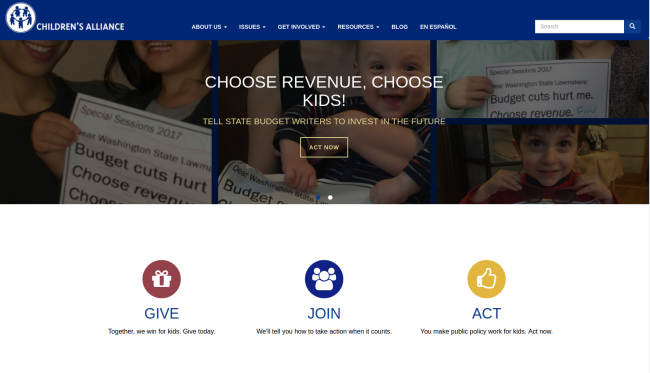

Another Drupal 8 site upgrade! In June of 2016 we were approached by Seattle’s Children’s Alliance for a Drupal 5 to Drupal 8 migration.
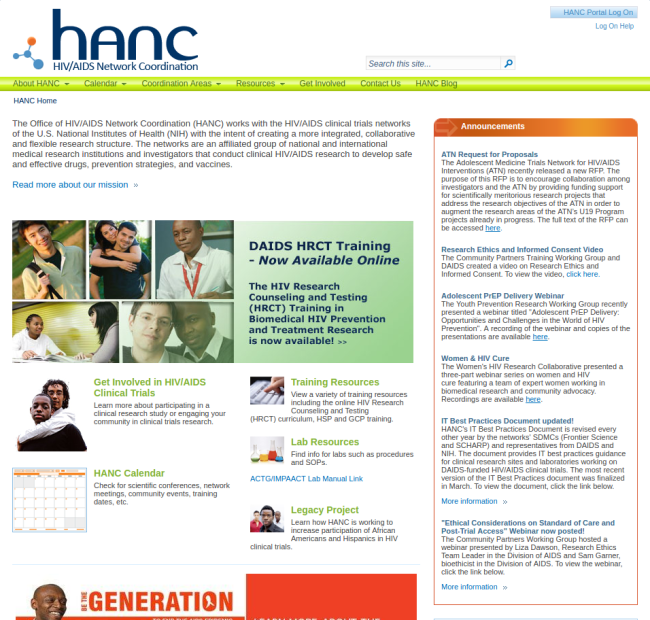
We started working with another team at Fred Hutch in early 2016. They contacted us after they were needing some local TLC with their HIV/AIDS Network Coordination global CRM database (unfortunately we cannot show a screen shot of their actual database, as super sensitive info!).
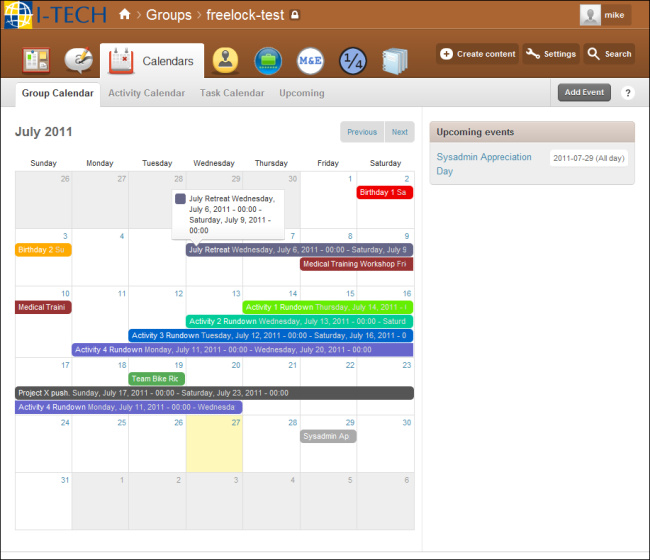
The International Training and Education Center for Health (I-TECH), a non-profit collaboration between the University of Washington and the University of California, San Francisco, came to Freelock for help building an internal system to improve collaboration and communication within their organization. With a headquarters in Seattle and teams spread across the rest of the world working diligently to improve the development of skilled medical workers and health delivery systems an online based intranet is a perfect solution.
We built a system using a heavily customized Open Atrium installation that features separate, private spaces for each country's program. These spaces provide a central location for every level of the program's operation from overall yearly goals down to an individual user's daily tasks.
Previously we learned why a custom web site is not a car. But it is a lot like a building.
"Make me a building. How much is it going to cost?"
If there's one thing that's constant in the web world, it's change.
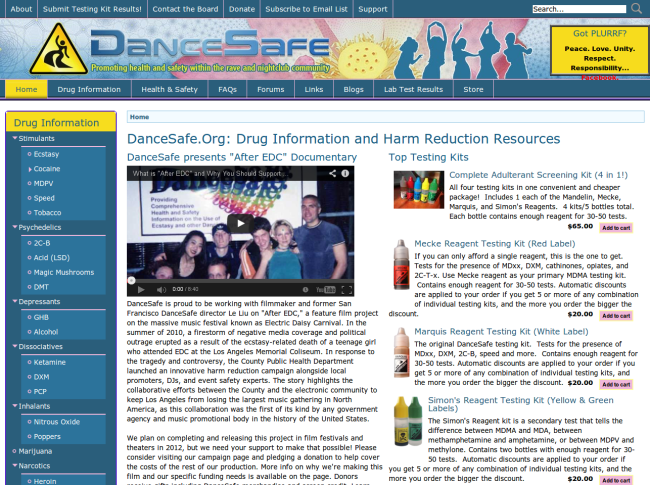
DanceSafe is a non-profit, harm reduction organization promoting health and safety within the rave and nightclub community.

Freelock developed an informational website for Answers for Elders. Answers for Elders is an online resource for adults caring for elderly parents.
If you've used a web ontology before, or any other large-scale data repository, you're likely familiar with one of the chief concerns facing anyone in such a position: how do you get your data into the system? Moreover, how do you get large amounts of data into the system with (relative) ease? And if you've used a content management system before, you've likely faced a similar, albeit inverted problem: how do you get your data out?
If you can accomplish these preliminary items without a good deal of effort, you're finally left with the task of transforming the data from one, and allowing it to be recognizable by the other.
If, instead, you haven't used either of these, you're likely wondering why on Earth you would want to.
All the planning and preparation in the world won't prevent an incident, but it can greatly reduce the consequences.
Nothing better prepares you for responding to disaster than experience. In the world of web applications, sometimes we act as firefighters, coming in to rescue the smoldering remains of a hacked site, a crashed server, or an unexpected traffic burst.
No matter how diligent you are at preventing vulnerabilities and securing your environment, it's impossible to be completely secure on the Internet. What you can do is plan for how to limit the damage that people can do when they manage to compromise some part of your system. This line of thinking is called "Defense in depth" -- you can't just apply security updates and call it good.
How would losing your web site affect your business?
That might seem like a silly question, but a surprising number of small organizations don't think it can happen to them. Think again -- web sites get lost all the time, through a variety of means. The server hosting your site might have a hardware failure. Your site might get hacked. Your web developer might accidentally delete something critical. Your host might go out of business, leaving you stranded. If you're in the tech world, you hear about these incidents all the time.

TerraBella Flowers & Mercantile specializes in European garden-style designs, using an assortment of local, organic, and sustainably grown flowers and is based in the Greenwood neighborhood of Seattle, Washington.

