Business

Case Study

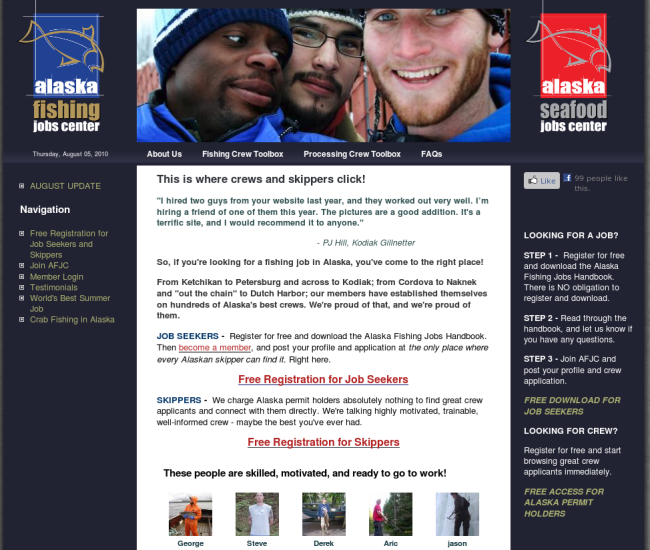
Alaska Fishing Jobs Center

Scott Coughlin, a 24-season veteran of Alaska's salmon, herring and halibut fisheries, came to Freelock for help getting his site done. We picked up the pieces of the development project, yet again, and implemented the design, functionality, and enhancements in record time.
Case Study

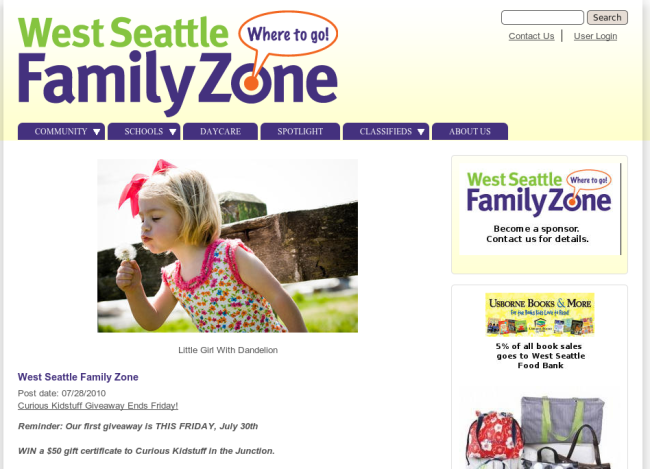
West Seattle Family Zone

The folks at WSFZ needed a directory-based website that was easy to maintain and easy to use. Catering to the families of this popular Seattle-area neighborhood, West Seattle, WSFZ wanted a clean, simple design that allows for blogging, reader comments, and advertising.

cheap hosting, security issues, managed hosting, Drupal hosting, e-commerce security
🕑Mar 15, 2010 🖋John Locke 💬4

Why cheap web hosting is expensive

Just the other day I got a request for proposal for hosting, complete with a statement that they knew of some hosting that would cost $15/month. The implication being that they were looking for a hosting proposal that would not exceed that amount.

🕑Mar 15, 2010 🖋John Locke 💬4

Is there going to be Sales Tax on Open Source software?

Today, in the Washington State legislature, the House and the Senate are reconciling their two different bills to balance the State budget. Both involve significant tax changes, and there are different ramifications for software depending on which goes through.

Case Study

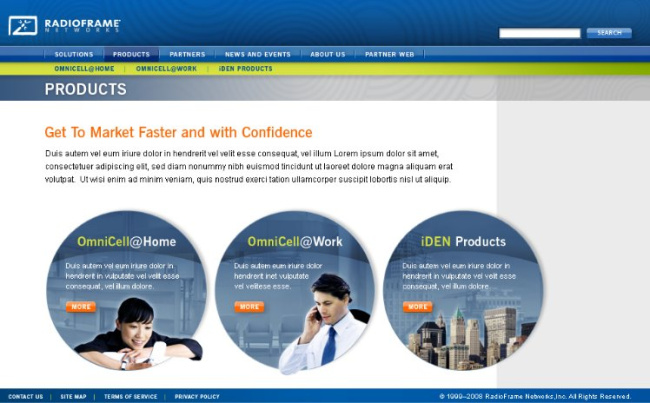
RadioFrame Networks

RadioFrame Networks came to Freelock in late 2008 for a web development project aimed at bringing their existing corporate static site content into the Joomla CMS.

Beyond an e-brochure: getting business from your web site


A web site is an essential marketing tool of a business. These days, especially in the Seattle area, people will check out your web site before doing business with you. The work you do with a graphic designer like Peter Mckinnon can have a big impact when someone decides whether you're the right fit for what they're looking to buy.

Just having a web site, however, does nothing to get customers beating down your doors. People need to find your web site somehow, amidst the millions of other web sites out there. For small, local businesses, they don't find your web site online--they find it from your business card, a sign on your car, word-of-mouth, or all the rest of the traditional ways people market their business.

Read More