

Hi,
At Freelock we're kicking off our long-anticipated "Vision" program, a series of newsletters, blog posts, and videos about website effectiveness. Before we get into the meat of things, we're setting the stage with the question, "How do we know if it worked?" And the answer is -- data.
So this month we're looking at a primary source of data, Website analytics.
The scientific method and website analytics
All too often, website projects are driven by whim, obsolescence, or an abstract idea that it will make a difference. Forced obsolescence is a real reason to upgrade a site -- your current site is on a platform that is reaching end of life, or isn't capable of what you want it to do. But at Freelock we prefer putting the scientific method to use. And at its core, it looks something like this:
What site owners need to know about analytics
Stuart Jenner of Marketek Consulting always has insightful things to say about Website analytics. Here's a conversation we had a while back, about the key things site owners should consider with their website analytics, and the serendipity to be found by digging through data and talking with each other.
The rising costs of site ownership
In 2024, the big scourge for website owners has been AI bots.
Our experience goes against a lot of what the tech community considers "best practices" -- we've improved performance, lowered downtime, and drastically reduced costs by ripping out load balancers on several sites. And that's because it turns out the database is the biggest bottleneck, not the front end servers.
AI bots have been crawling our clients' sites, with bursts of traffic that take them down while they attack. After ~20 years of having to deal with the occasional DOS attack, maybe two or three a quarter, we're suddenly having to play whack-a-mole with a new crawler every 2 or 3 weeks -- and some of them don't follow the rules.
Client Spotlight: City of Federal Way
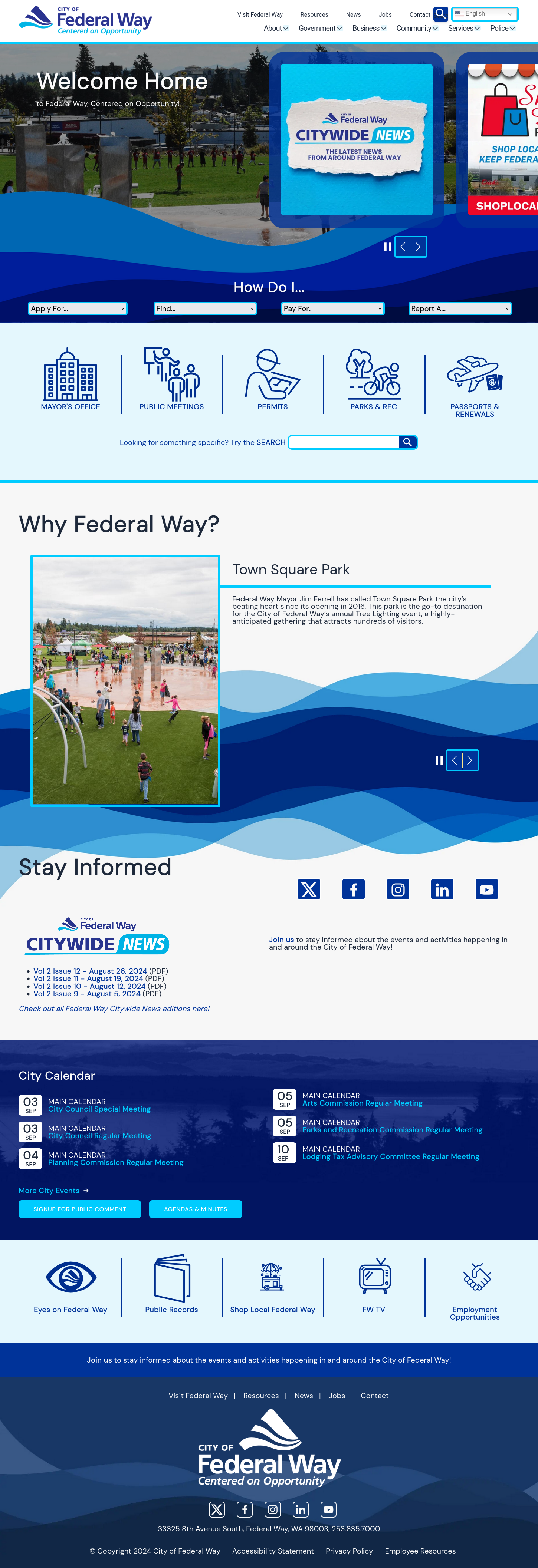

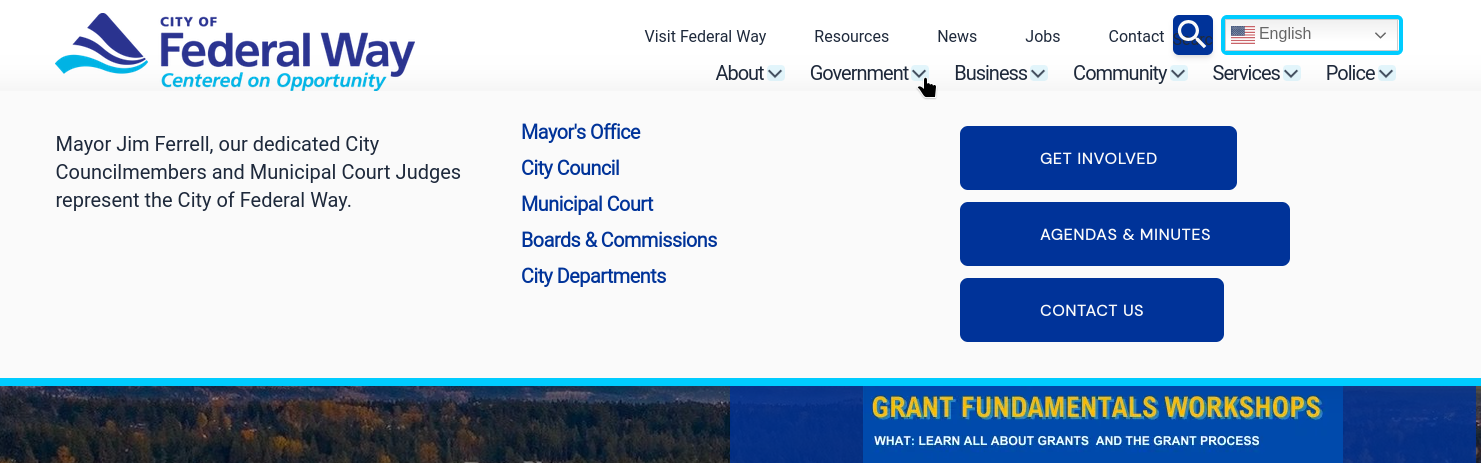
The City of Federal Way came to us to upgrade their Drupal 7 site to Drupal 10. We started the project in late December of last year, and had the first release up in mid February.
With this project, we used a bunch of new techniques to make the site look good across a range of screen sizes, to load quickly, and to break out parts of the site to be managed by different departments with an editorial workflow that allows editors to revise drafts of already-published pages, publish them when desired, and archive them when needed.
Some of the technologies we used include:
- Drupal "Single Directory Components," a new way of encapsulating designs so they can be more easily reused
- Current CSS techniques including :has(), container queries, and nested CSS
- Group module, Content Moderation










0 comments
No comments yet.
No new comments remain in this discussion.