
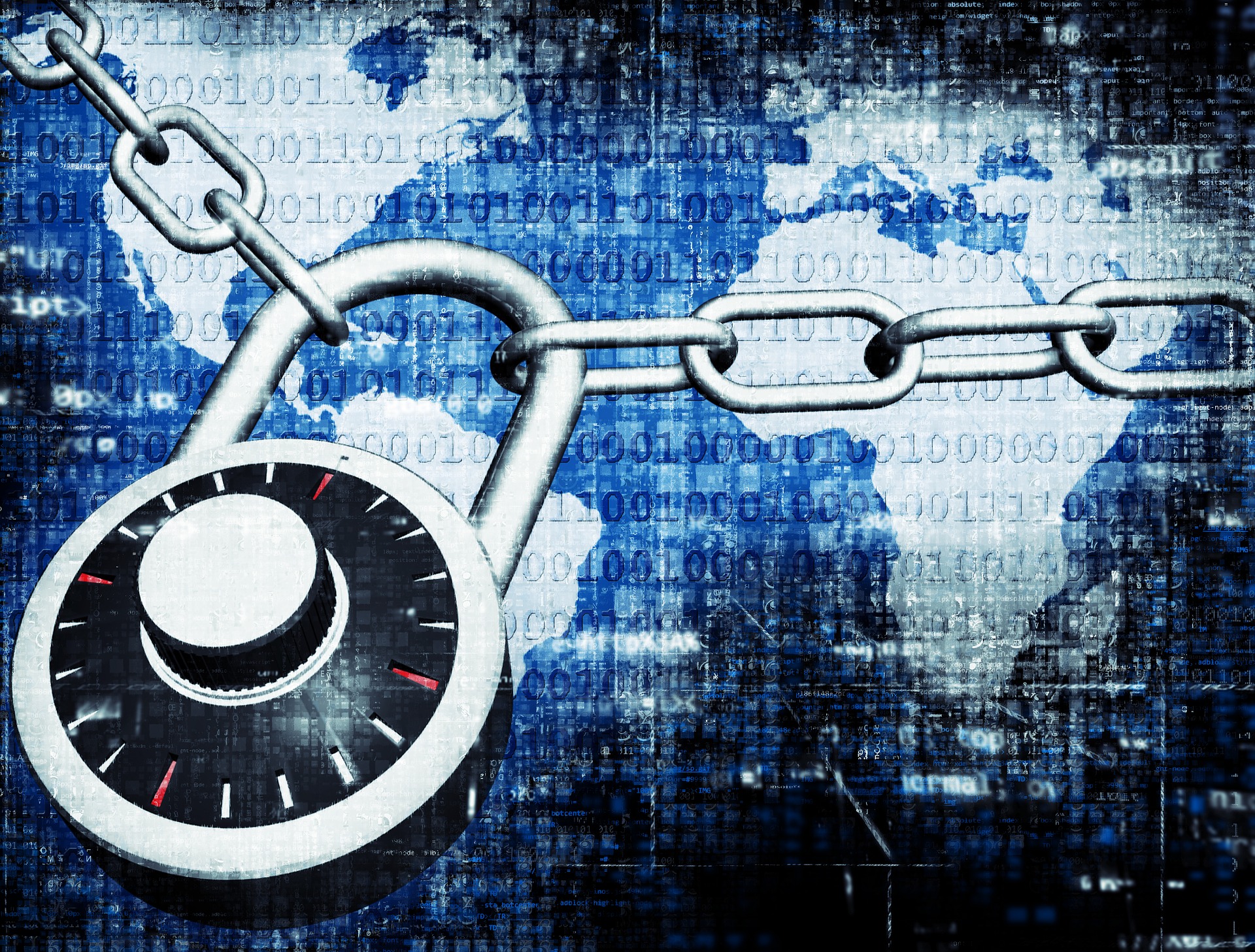

Last week the Note to Self podcast put together a thought-provoking, action-inspiring series called The Privacy Paradox. I highly recommend giving it a listen, and check out their exercises.
Being in the web business, I find myself in the midst of this issue every day. We want to help our clients succeed. More and more, that means tracking what visitors to their websites are doing, so we can analyze what is effective, and what misses the mark.
Where this starts to become a huge concern is when you have to use tools that track people wherever they go across the Internet.
We intentionally use the least intrusive tools possible. We run our own Piwik server for traffic analytics. And yet we still find ourselves using other tools like Google Analytics and Facebook Like buttons and other user tracking tools that get us insights we can't get otherwise.
There is real harm happening to privacy when 65% of all online ad revenue goes to two companies. And yet we're about to launch our own Facebook campaign as we introduce some exciting new programs we've been developing over the past couple years. Where else could we go to reach people?
It's a paradox we all face today. Do we give up our privacy so that we can interact with our family and friends on Facebook? Or do we opt out and miss out on all those family updates? In my household, and my business, we opt to keep a toe in the mass surveillance social media, but keep most of our "real life" either in open source systems we self-host (like Riot or NextCloud) or keep it offline altogether.
Why does it matter? "I've got nothing to hide," say much of the digital generation. But as the Privacy Paradox conclusion points out, that's a priviledged position to be in -- there are plenty of people who may face consequences of all kinds based on people learning something about them. If you interact with people that face discrimination of one sort or another, your transparency could expose them to risks that might lead to bullying, imprisonment, deportation, or worse. And with a new administration trying to become an authoritarian regime, privacy could become a crucial issue for many, many more of us soon.
It's time for all of us to take privacy more seriously, to not just give more power to the largest companies in the world. Use smaller systems. Take your conversations off mass social media. Take control of your data, use alternatives wherever possible. And work with businesses that take your privacy seriously.
We choose security and privacy over convenience, and we strongly advise you to think before taking the easiest path.


Comments
0 comments
No new comments remain in this discussion.
Add new comment