
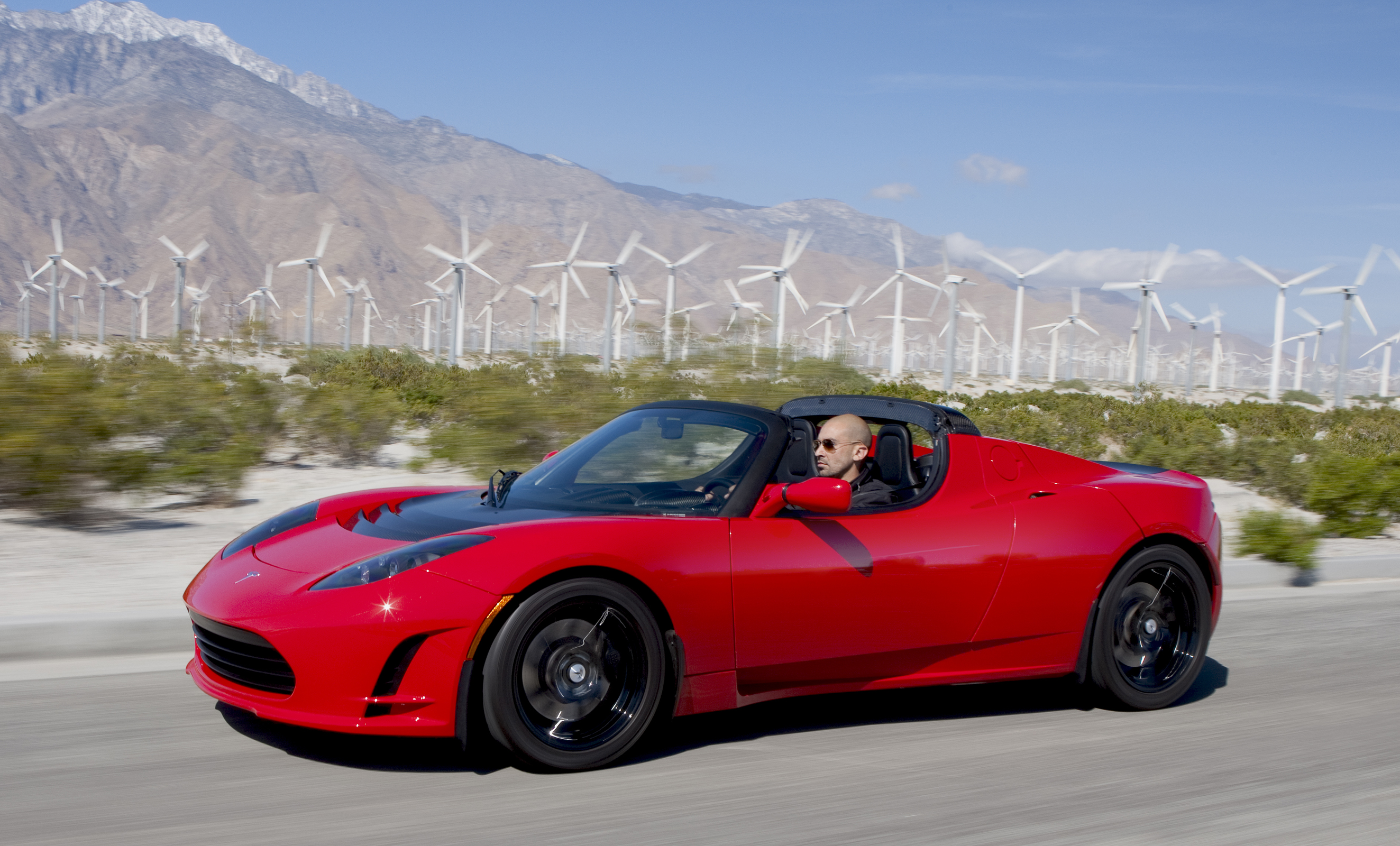

Apparently Elon Musk ( @elonmusk ), the founder of Tesla Motors, wants to bypass auto dealerships, and has gone to the Texas legislature for special exemptions to allow him to sell his cars directly to consumers. The story is covered here: http://www.bizjournals.com/houston/news/2013/04/10/tesla-ceo-texas-electric-car-sales.html?ana=e_vert&u=mH+E2NbuZImKyOtjDdOH3auZqb9
This story caught my attention for a couple reasons.
First of all, I've long been interested in finding ways to make small manufacturers able to compete effectively against large ones, changing the very structure of our economy, and car manufacturers seem like the epitome of this. I often draw a verbal picture of a new federation of companies to make an alternative car that is a better value for customers, with many more smaller business owners that much more effectively distributes wealth. To me, that's what capitalism should be, rather than large car companies that need government bailouts -- let's build a system that beats them in the marketplace with higher quality, more passionate (and engaged and rewarded) workers, and can not only afford but is passionate about making environmentally and socially responsible choices, not just financially sound ones. The car industry is my pet example.
And secondly, I recently heard how auto dealerships became essentially a monopoly with the exclusive right to sell cars to consumers, via an excellent Planet Money podcast. Go listen to it here: http://www.npr.org/blogs/money/2013/02/12/171814201/episode-435-why-buying-a-car-is-so-awful
It turns out that car dealers don't have to play by the free market economics the rest of us are subject to. They are a very protected group of businesses, with territories protected by state laws that prevent manufacturers from competing with dealers. This structure arose during the Depression, and has become a powerful, entrenched lobbying force in every state.
The interesting part of this story was the early history of how dealerships arose: with no national highway system and bad roads, local dealers were really necessary to get cars out across the country in the first place, and provide maintenance services. During the Depression, however, the manufacturers forced dealers to buy more cars than they could sell when nobody was buying, by threatening to cancel their contracts if they refused. At that point, dealerships were small businesses being totally dominated by the large car companies, so local legislatures passed laws to protect them. And those protections still exist today, in a much different world.
So now car buying rates among one of the most hated things Americans do, and new small manufacturers who hope to revolutionize the industry have to get laws changed before they can hope to do something about it. It looks like at least one dealer is on board, though I wonder if he only was able to write this because he's retired? http://www.chron.com/opinion/outlook/article/Let-s-drive-business-in-Texas-forward-4473447.php
Innovative companies improving our world and changing old-fashioned laws? We could only hope. I'm rooting for Elon Musk, but we Americans are too afraid to lose what we already have, no matter how pointless and detrimental. Thanks for the post, John. It is another outrageous example to show our lawmakers.